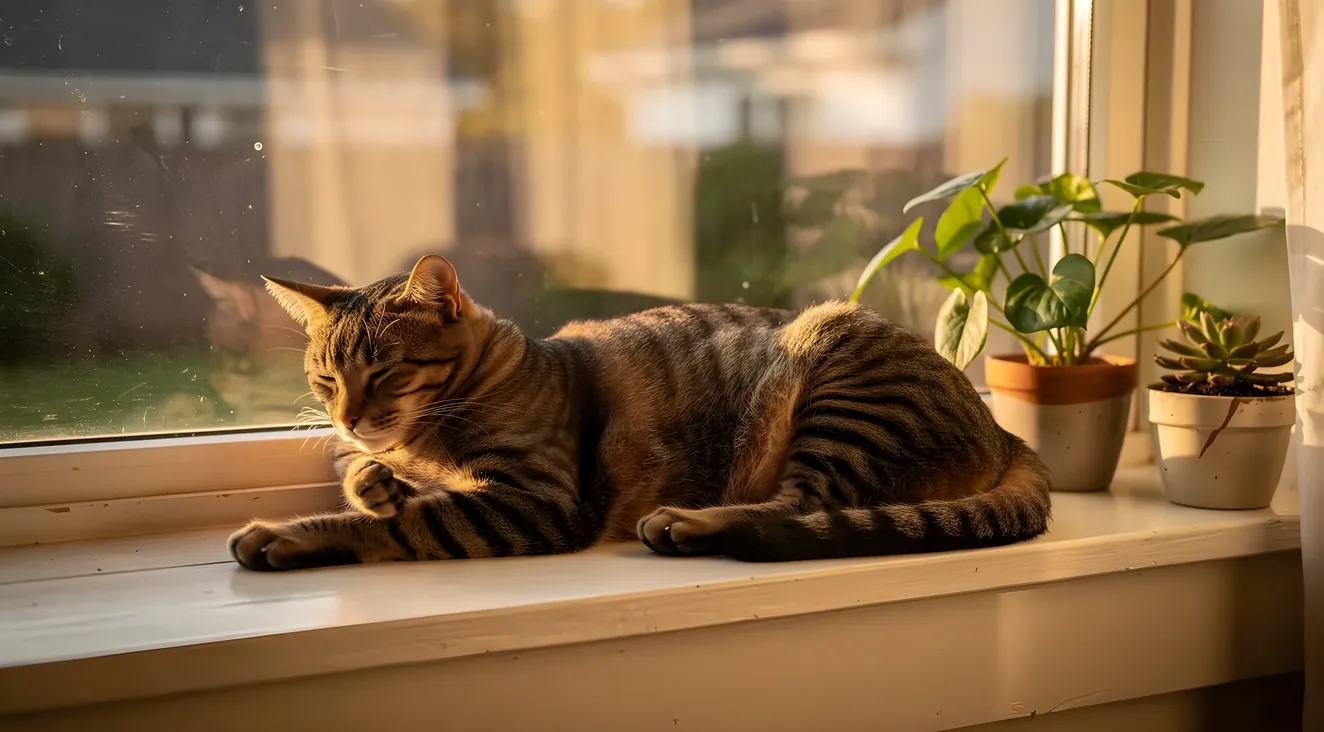
Cat sitting in Melissa, TX means a sitter visits the cat's own home, typically once or twice a day, to handle feeding, litter box care, medication if needed, and playtime, while the cat stays in familiar surroundings instead of traveling to a facility. It's one of several in-home pet care options covered on this site, alongside dog walking, overnight stays, and house sitting. Cats in particular tend to do well with this visit-based approach, since they're territorial and routine-sensitive in ways that make a change of location more disruptive than it is for many dogs. A typical visit runs 20 to 30 minutes and covers the same core tasks each time: fresh food and water, a scooped litter box, any medication the cat needs, and a stretch of play or attention before the sitter locks up and heads out. For families deciding between a sitter and a boarding facility, the sections below walk through what actually happens during a visit, and where to go for the broader in-home-care case or an overnight-stay option if that fits better.
What Cat Sitting Includes
Cat sitting is a visit-based service: a sitter comes to the cat's home on a set schedule, usually once or twice daily, rather than the cat going anywhere. That single distinction shapes everything else about how it works. A cat sitter's core tasks on each visit are feeding, litter box maintenance, medication if the cat is on one, and time spent playing with or simply keeping the cat company. Some households need just one visit a day; others, especially cats on a strict feeding or medication schedule, do better with two. This page focuses on the cat-specific version of that routine. The site's broader services hub covers the other in-home pet care types available in Melissa, TX, including dog walking and overnight sitting, for households juggling more than one kind of pet.
Why Cats Often Do Better at Home Than at a Boarding Facility
Cats are territorial and scent-oriented animals, and that shapes how they respond to being moved somewhere unfamiliar. A boarding facility can be clean, well-run, and staffed by people who genuinely like cats, and it can still be more disruptive to a cat than the same stay would be to many dogs, simply because the cat has left the space it knows by scent. Travel itself adds another layer of stress: carriers and car rides unsettle most cats regardless of where they're headed, so even a short trip to a boarding facility starts the visit off on the wrong foot.
Routine matters just as much as location. Cats are sensitive to changes in where the litter box sits, what litter is in it, and when meals show up, and all three of those stay constant when a sitter visits the cat's own home instead of moving the cat somewhere new. That consistency is a big part of why in-home visits tend to suit cats specifically, separate from the general case for in-home pet care. For the fuller version of that argument across pet types, not just cats, see the case for in-home pet care.
What a Typical Cat Sitting Visit Looks Like
A cat sitting visit generally runs 20 to 30 minutes, once or twice a day depending on the cat's needs, without the sitter or the cat needing to go anywhere. At a high level, a visit follows a consistent shape: the sitter checks in on the cat, works through the care tasks (feeding, litter, medication if applicable), spends a few minutes on play or interaction, and secures the home before leaving. Most cats only need this kind of visit-based care rather than someone staying overnight. For households that want a sitter physically present through the night instead, overnight pet sitting covers that separately, and it's worth knowing the two aren't the same service before deciding which one fits.
Feeding, Medication, and Litter Box Care
Feeding during a cat sitting visit means sticking to the cat's existing food, portion size, and timing as closely as possible. That consistency isn't just a nice-to-have; it's part of why in-home visits suit most cats better than a change of environment would. A sitter working from clear instructions can keep a cat's feeding routine essentially unchanged across an entire trip, even a long one.
Medication administration comes up often enough that it's worth addressing directly. Many sitters can handle routine medication, whether it's a pill, a liquid, or another form, as long as the owner provides clear instructions ahead of time. This isn't a substitute for veterinary guidance on any specific condition, just a note that medication needs don't rule out visit-based care for most cats.
Litter box care is part of every visit: scooping and general upkeep so the box stays usable between the owner's return. Keeping the box in its usual spot, rather than moving it or switching litter types mid-trip, matters here too, since litter box changes are one of the more common triggers for stress or behavior issues in cats.
Playtime and Enrichment During Visits
A cat sitting visit isn't only chores. Interaction, play, and company matter too, particularly for a cat spending long stretches alone while an owner travels or works late. A few minutes with an interactive toy, some focused attention, or just a bit of company while the cat eats can be part of a visit, without turning it into a production. The specifics vary by sitter and by cat, but the point of including play at all is the same: a cat sitting visit covers more than feeding and cleanup.
Frequently Asked Questions About Cat Sitting in Melissa, TX
What does a cat sitter do during a visit? Beyond the care tasks themselves, most sitters leave some kind of update after each visit, a quick note or a photo, so the owner knows the cat was checked on. Visits typically run 20 to 30 minutes, long enough to cover care and spend a little time with the cat without rushing either one.
Is in-home cat sitting better than boarding a cat? It depends on the cat and the household, but there's a cat-specific reason in-home care tends to fit well: because cats are scent-territorial, many do better staying in their own space than a dog might handle the same situation. That said, every cat is different, and some do fine at a boarding facility. See pet sitting vs. dog boarding for the fuller comparison.
How often does a cat need visits while the owner is away? Once daily is typical for most healthy adult cats. Twice daily tends to fit cats on a strict medication or feeding schedule, or cats who benefit from more social interaction during a longer trip.
Can a cat sitter give medication during a visit? Many sitters can, provided the owner walks through clear written instructions during a meet-and-greet before the first visit. That upfront conversation is where medication routines, dosing times, and any quirks about how the cat takes it get sorted out, rather than being left to guesswork on the first day.
Does a cat need someone to stay overnight, or is a daily visit enough? Most cats do fine with scheduled visits rather than a sitter staying overnight. For owners who'd rather have someone physically present through the night, overnight pet sitting is a separate service built for exactly that.
Cat sitting is one of several in-home pet care options covered on this site. For households with more than one pet, or a different care need entirely, see other pet care options to find the type that fits.