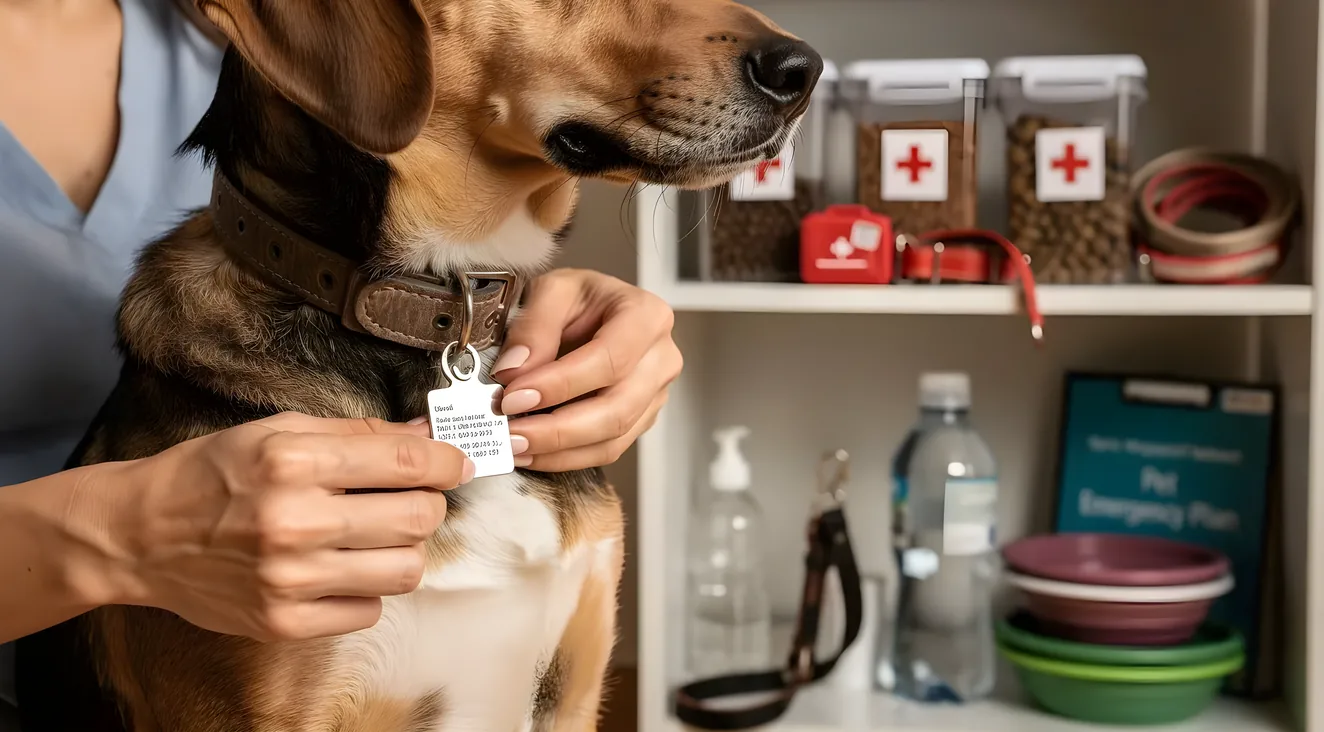
Getting a home ready for a pet sitter's first visit comes down to four things: secured hazards and a clear key or lockbox handoff, medications stored together and labeled with written instructions, an emergency contact list that includes the pet's regular vet, and an honest look at Texas-specific risks like summer heat, local wildlife, and pool fencing. Skipping any of these is what turns a routine sitter visit into a stressful one. This guide covers what a Melissa, TX pet owner needs to secure, write down, and tell a sitter before the first booking. For the broader reasoning behind choosing in-home care, see why in-home pet care means a trusted pet sitter; the full preparation checklist waits at the end.
Preparing Your Home Before a Pet Sitter Arrives
Walking through the house the way you'd childproof it for a toddler visiting catches most of what needs attention. Cleaning supplies under a sink, chewable objects on low tables, an overflowing trash can, and cords a curious dog or cat could chew through are the hazards that get missed most, along with open stairwells or balconies, especially for smaller pets and kittens. A quick walkthrough of the rooms a sitter will actually use takes fifteen minutes and prevents most first-visit surprises.
The other half of home prep is entry. Confirm exactly how the sitter gets in and out, whether that's a lockbox with a rotating code or a key handed off directly, and make sure access stays limited to the person who's supposed to have it. A sitter who takes that step seriously, and asks the same questions back, is showing the trustworthiness that matters at every stage of hiring.
Storing Medications and Sharing Your Pet's Medical History
Medications should live in one place, labeled clearly, with written dosing and timing instructions rather than a verbal explanation given once and never written down again. If a cat needs a pill twice a day with food, or a dog gets insulin on a set schedule, that detail belongs on a printed note next to the medication itself, not in a memory a sitter has to rely on days into a booking. Written instructions also protect against a different sitter covering a shift, or a detail forgotten weeks after the original conversation.
Medical history matters just as much as the medication schedule. A sitter should know about any known allergies, chronic conditions, recent vet visits, and behavioral triggers before the first visit, not after something looks off. A dog with a grass allergy that flares into itchy paws, for example, is worth mentioning specifically rather than a vague note about sensitive skin, since a sitter who knows what to watch for can catch a flare-up early. The same logic applies to anything that helps a sitter recognize behavior that looks different from normal.
Texas Heat, Wildlife, and Pool Safety for Melissa Pets
Summer heat changes what a normal outdoor visit should look like. Pavement and patio surfaces hold heat well past what feels comfortable to touch by hand, and a dog walked midday can burn its paws on concrete that looks perfectly ordinary. Outdoor time is safest kept to early morning or evening during the hottest stretch of the year, with fresh water always within reach and shorter walks on the warmest afternoons.
Melissa's growth brings its own wildlife considerations. Newer subdivisions built near undeveloped land can mean coyotes or snakes turning up in a yard that looks fully residential, especially around dawn, dusk, or after heavy rain. Mention it to a sitter if a yard backs up to a greenbelt or open field, since that changes how closely a pet should be watched outside.
Pool safety deserves its own mention for the same reason: many newer Melissa homes come with backyard pools, and a sitter needs to know upfront whether a pet has any access to that area. Secure fencing or a pool cover, checked before the first booking rather than assumed, closes off a hazard a sitter unfamiliar with the property might not think to ask about.
Setting Up an Emergency Contact and Vet Plan
An emergency contact list needs three things: the pet's regular veterinarian's name and phone number, a backup contact such as a neighbor or family member who lives nearby, and a way to reach the pet's owner while traveling. All three should be written down somewhere the sitter can find quickly, not stored only in a phone the sitter doesn't have access to.
One piece is easy to overlook: a regular vet's office isn't always open, especially on a weekend or overnight, which is exactly when an emergency is most likely to happen. Before the first visit, take a few minutes to look up the nearest emergency or after-hours animal hospital and add it to the same list, rather than leaving a sitter to search for one mid-crisis. This is worth handling ahead of time, since the right choice depends on a family's own preference or existing relationship.
This same list is a natural place to note anything relevant to planning pet care around an upcoming trip, since emergency planning and travel prep tend to happen together for most first-time bookings.
Frequently Asked Questions About Pet Safety and In-Home Sitting
What should I secure around my home before a pet sitter's first visit? Cleaning supplies, chewable objects, cords, and trash should be out of reach, and the key or lockbox handoff confirmed ahead of time.
What should I do with my pet's medications before a sitter's first visit? Keep medications together in one place, labeled, with written dosing and timing instructions, and confirm the sitter has reviewed them before the first paid visit.
Is it safe to leave a pet outside during Texas summers with a sitter? Yes, within limits: shorter outdoor windows during peak afternoon heat, checking pavement temperature before walks, and water always within reach.
What emergency information does a pet sitter need? The regular vet's contact info, a backup emergency contact, and the nearest emergency or after-hours animal hospital identified in advance.
What are the red flags in a pet sitter? No proof of insurance or bonding, refusal to do a meet-and-greet, and vague or missing pricing are the clearest warning signs. See the pet sitter red flags guide for the full list.
Your Next Step: The Full Pet Sitter Checklist
These four items, secured hazards, labeled medications, a written emergency plan, and an honest read on Texas-specific risks, cover the highest-stakes safety prep for a sitter's first visit, but they're not the whole list. Water bowls, feeding instructions, walking routes, and dozens of smaller details still matter for a smooth first booking. See the full checklist for the complete room-by-room breakdown. Working through it once means less to remember later, and a sitter who has everything they need from the start.